Notes from the shop
New essays from the Journal, a piece of inventory that's caught our attention, an install we're still thinking about.

We hand-select rare architectural pieces that honour craftsmanship, timeless beauty, and modern sensibilities.
There’s a difference between filling a space and choosing what goes into it. This kitchen started with constraints. Two windows. Five doorways. A pantry off to the side. The kind of room that resists standard layouts and rewards a bit of resolve. Instead of working around that, the owners made a decision early on. They would build the kitchen around a few pieces they believed in. A vintage commercial stainless steel sink with a proper draining board. A long run of stainless cabinetry. A steel work table set loose in the middle of the room. All three came with a past life. None were designed for a domestic kitchen. That was the point. What matters here is not the material, or even the look. It’s the commitment. Stainless steel behaves a certain way. It shows use. It reflects light differently throughout the day. It asks you to accept it as it is. And once you do, the rest of the room follows. The table becomes the centre without needing to announce itself. It’s where meals start, where people gather, where things get set down and picked back up again. It moves when it needs to. It stays when it should. The sink does what it was built to do. It handles volume. It doesn’t ask for care. It takes it anyway.Nothing here is trying to match. Nothing is overly resolved. The room holds together because the choices behind it are consistent. The owners cook. They entertain. The kitchen reflects that without explanation. This is what happens when you stop designing toward an outcome and start living with what you choose. Not everything needs to fit. It just needs to belong.
Learn moreJuniper Café expanded in early 2026, doubling its square footage. The new seating area needed to feel intentional without closing it off from the rest of the café. They selected a matching set of Art Deco pendants that originally hung in an Ontario train station. The fixtures are substantial. Faceted glass with geometric panels. Metal frames with visible weight. They installed the full set over the booth seating - not scattered, but run together as a group. The repetition is what makes it work. One pendant in that location would read as an accent. The full run establishes a clear line through the room. The glass casts a warm light onto the tables below. Among the other fixtures in the space - the rattan pendants, the track lighting - the Art Deco set reads differently because it repeats. The consistency is what gives it presence. The ceiling above is open, with wood slat detailing that keeps the space feeling modern. The older fixtures sit comfortably within that context. For an independent café, spaces like this matter. A room that feels comfortable and considered encourages people to settle in, order another coffee, stay for a second conversation. The experience becomes part of what brings them back. That is often what separates a memorable local café from a chain: a space that feels intentional enough that people want to spend time in it.
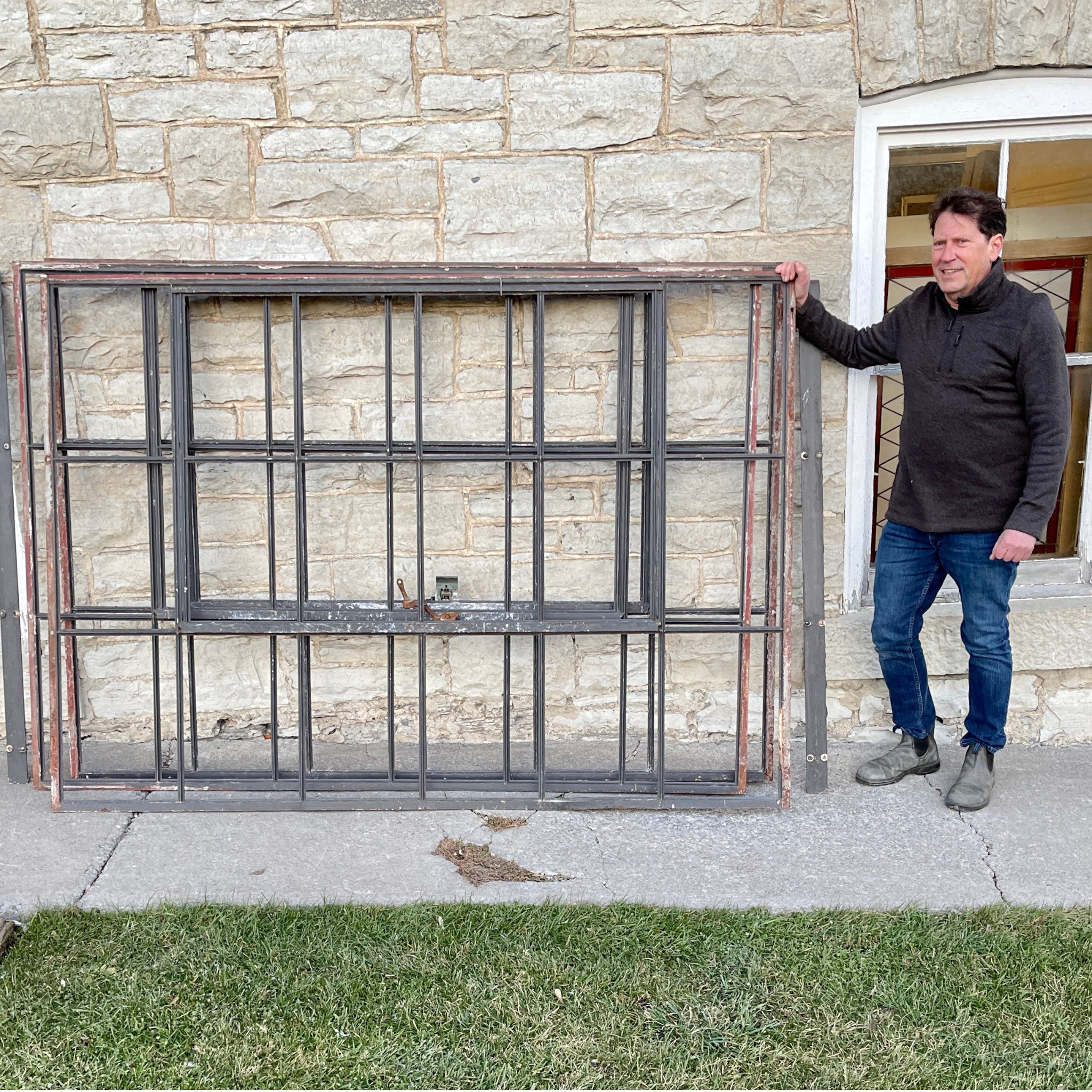
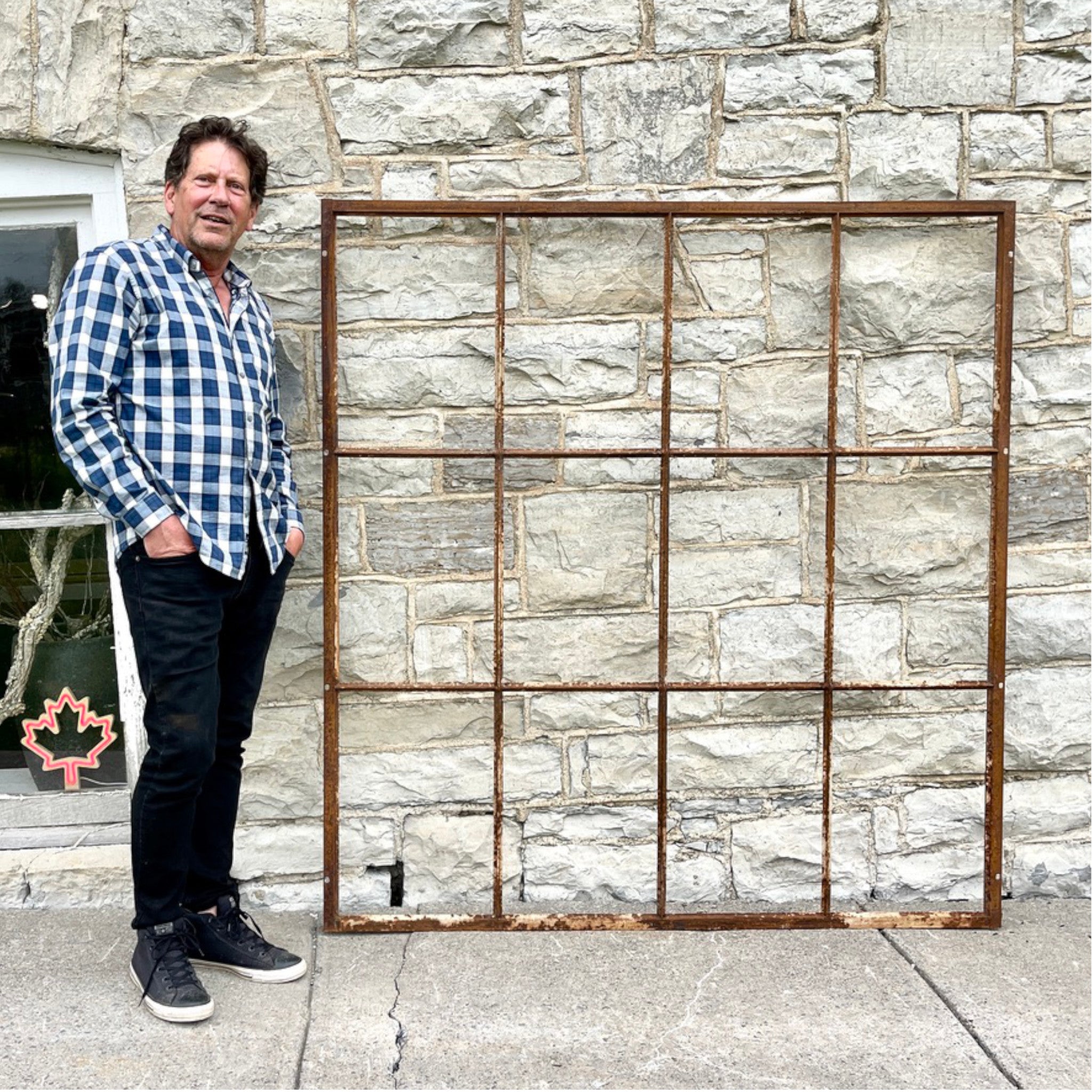
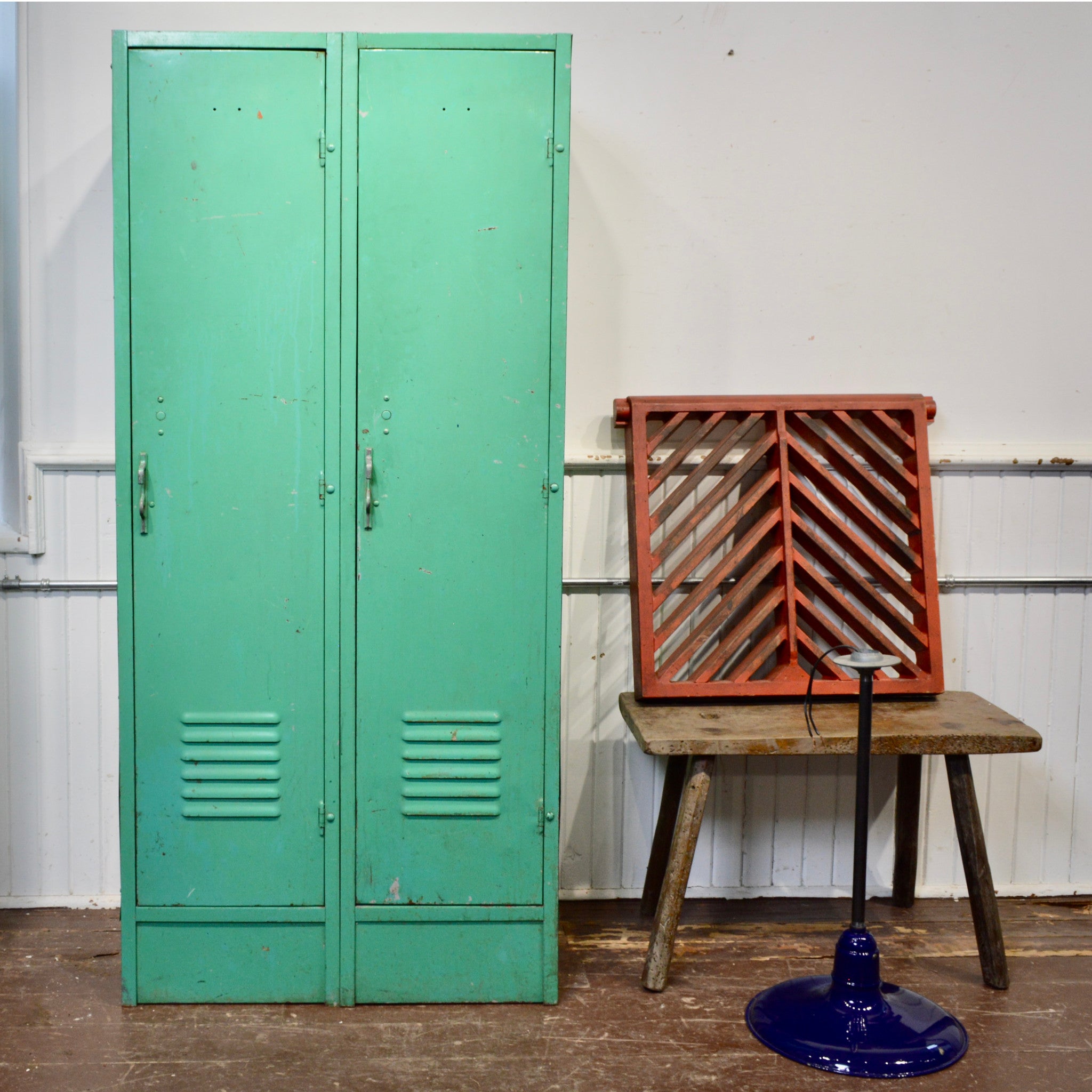
Learn moreWe are often asked if we will split a set. Someone wants two of the four factory lights.Three of the six dining chairs.One window out of a run of five identical frames. It is usually a practical request. We understand that. But most of the time, the set works better whole. There is a reason repetition shows up again and again in well-built spaces. It is not about symmetry for its own sake. It is about commitment. One light over a table feels decorative.Four spaced properly over a counter feel intentional. We have seen this many times. A single enamel factory pendant can look like a feature someone added late in the process. Install four in a straight line, evenly measured, and the ceiling tightens. The counter below feels anchored. The room reads as thought through. The fixture hasn’t changed. The decision has. People often hesitate in front of a full set in the shop. Six matching schoolhouse pendants. Three tall arched windows with the same muntin pattern. A bank of metal lockers with original paint still intact. They like them. Then the pause comes. It is easier to commit to one strong piece than to six of the same. Repetition asks you to choose fully. We are careful about spacing when we hang sets in the shop. It is not for effect. It is to understand how they behave. If four pendants are meant to hang 32 inches apart, we measure it. If the spacing is off, even by a few inches, you feel it immediately. When the rhythm is right, everything settles. We saw this clearly at Juniper Café during their recent expansion. The space doubled in size. Rather than scatter fixtures through the new area, they installed a full run of matching pendants in sequence. The repetition did not decorate the space. It defined it. The lights became structured. In a different setting, a Georgian Bay home with an eighteen-foot kitchen ceiling required a different kind of discipline. Five antique schoolhouse pendants were hung over the island. One would have disappeared in that volume. Even two would have struggled to hold it. Five established proportion. The fixtures themselves were modest. The repetition carried the scale. We are also reluctant to split sets for practical reasons. Many of these pieces were designed to work together. Factory lights were meant to hang in rows over machinery. School lockers were built to line a wall, not stand alone. Garden urns were cast in pairs to frame an entry. When you break the set, you often break the logic. Two of six lights over a long bar usually feel provisional. Not wrong. Just unfinished. Four or six feel resolved. Repetition removes guesswork. It reduces visual noise. When lighting is consistent, the eye stops searching. When windows repeat across a wall, the room gains structure without adding decoration. Sets carry themselves differently. This is about rarity. It is also about clarity. When multiples are installed with care - aligned, spaced properly, scaled to the room - the space feels certain. Not styled. Not busy. Just decided. And when a space feels decided, people notice. In a café or restaurant, that kind of clarity shapes the entire experience. Guests settle in quickly. The room feels comfortable and intentional. They stay longer, return more often, and the space begins to support the business it was built for. The same principle applies in a home. In the Georgian Bay kitchen, the homeowners chose a full run of matching schoolhouse pendants rather than a single statement fixture. Layered with ambient and task lighting, the repeated forms give warmth and scale to a soaring ceiling that might otherwise feel distant. The fixtures themselves are simple. What changes the room is the decision to carry the idea all the way through.
Learn moreNew essays from the Journal, a piece of inventory that's caught our attention, an install we're still thinking about.
Sourcing: Thoughtfully selected pieces from trusted sources.
Condition Reports: Transparent details on every item's condition.
Crating: Expertly packaged for safe delivery.
Freight: Reliable transport options across Canada and beyond.
Any other questions? Don't hesitate to get in touch.